Red Air Plant: A Stunning Addition to Your Collection
Plants are not only a source of fresh air but also add aesthetic value to your home. Among the various houseplants available, the Red Air Plant is an eye-catching option that can make your space look vibrant and lively. These plants belong to the Bromeliaceae family and are known for their unique appearance and easy maintenance.
In this blog post, we will delve deeper into the world of Red Air Plants, learning about their growth habits, care requirements, and other interesting facts that make them stand out among other houseplant options.
The Origins of Red Air Plant
Red Air Plants or Tillandsia tectorum are native to Ecuador and Peru. They grow in mountainous regions where they cling to rocky surfaces and tree branches. These plants have evolved to survive in harsh conditions with minimal access to soil and water.
The leaves of Red Air Plants are covered with trichomes, which help them absorb moisture from the air. These adaptations have made them popular as low-maintenance houseplants, as they require minimal watering and can thrive indoors with proper care.
Types of Red Air Plants
There are several types of Red Air Plants, each with its unique characteristics. Some of the most popular ones include:
- Tillandsia tectorum: This is one of the most common types of Red Air Plant, known for its fuzzy, silver leaves that turn red when exposed to bright light.
- Tillandsia ionantha: This plant has small, compact leaves that come in a variety of colors, including green, red, and purple. It produces a stunning bloom that adds to its aesthetic appeal.
- Tillandsia capitata: This plant has long, curly leaves that form a rosette. It produces a spike of pink or purple flowers that bloom in late spring.
Growing and Caring for Red Air Plants
Lighting
Red Air Plants require bright, indirect light to thrive. They should be placed near a window that receives filtered sunlight. Avoid placing them in direct sunlight as this can burn their leaves.
Watering
These plants require regular misting or soaking to ensure they receive enough moisture. Misting should be at least twice a week, while soaking should be once a month.
To soak the plant, simply immerse it in water for 15-20 minutes, then shake off the excess water and allow it to dry completely before returning it to its spot.
Temperature and Humidity
Red Air Plants prefer warm temperatures between 60-80°F. They also require high humidity levels, which can be achieved by placing them on a tray of pebbles filled with water or using a humidifier.
Fertilizer
These plants do not require regular fertilization but can benefit from occasional feeding. Use a water-soluble fertilizer diluted to half strength once a month during the growing season.
Common Problems with Red Air Plants
Despite being low-maintenance plants, Red Air Plants can face some issues if proper care is not taken. Some common problems include:
- Overwatering: Overwatering can cause the plant's roots to rot and eventually lead to its death. It is essential to ensure the plant is allowed to dry out completely between watering.
- Lack of Light: Insufficient light can cause the plant's leaves to turn brown and eventually die. Ensure the plant is placed near a window that receives filtered sunlight.
- Pests: Red Air Plants are susceptible to mealybugs and spider mites. Regular inspection and treatment can help prevent infestations.
The Aesthetic Appeal of Red Air Plants
Red Air Plants have become popular among interior designers for their unique appearance and versatility. These plants can be used in a variety of ways to add color and texture to any space. Some popular design ideas include:
- Wall Art: Create a living wall by mounting Red Air Plants on a wooden frame or using them to create a vertical garden.
- Terrariums: Use Red Air Plants in terrariums for an eye-catching display that requires minimal maintenance.
- Centerpieces: Add a pop of color to your dining table by incorporating Red Air Plants into your centerpiece.
Red Air Plant Fun Facts
- Red Air Plants are epiphytes, which means they grow on other plants but do not harm them.
- These plants are also known as "air plants" as they absorb moisture and nutrients from the air.
- In their natural habitat, Red Air Plants can live up to 20 years.
Red Air Plants are an excellent addition to any plant collection due to their unique appearance and easy maintenance. With the right care, these plants can thrive indoors and add aesthetic value to any space. Remember to provide adequate light, humidity, and water to keep your Red Air Plant healthy and vibrant.
Frequently Asked Questions
Q1: How often should I water my Red Air Plant?
A: Red Air Plants require regular misting or soaking to ensure they receive enough moisture. Misting should be at least twice a week, while soaking should be once a month.
Q2: Can Red Air Plants survive without soil?
A: Yes, Red Air Plants can survive without soil as they absorb moisture and nutrients from the air through their leaves.
Q3: Are Red Air Plants poisonous to pets?
A: No, Red Air Plants are non-toxic and safe for pets.
Q4: Can I propagate my Red Air Plant?
A: Yes, you can propagate Red Air Plants by separating offsets, or baby plants, from the parent plant and planting them in a new container.
Q5: How much light do Red Air Plants need?
A: Red Air Plants require bright, indirect light to thrive. They should be placed near a window that receives filtered sunlight.
Q6: What is the best temperature for Red Air Plants?
A: Red Air Plants prefer warm temperatures between 60-80°F.
Q7: How do I prevent pests from attacking my Red Air Plant?
A: Regular inspection and treatment can help prevent infestations. You can use insecticidal soap or neem oil to treat pest problems.
Q8: Can Red Air Plants be used in terrariums?
A: Yes, Red Air Plants are an excellent addition to terrariums as they require minimal maintenance and add aesthetic value.
Q9: Can Red Air Plants live outdoors?
A: Yes, Red Air Plants can survive outdoors but require protection from direct sunlight and extreme temperatures.
Q10: How do I fertilize my Red Air Plant?
A: These plants do not require regular fertilization but can benefit from occasional feeding. Use a water-soluble fertilizer diluted to half strength once a month during the growing season.
15 Red air plant Images

99 Best Images About Tillandsia Air Plants On Pinterest Gardens

How To Grow A Tillandsia Air Plant Plants Air Plants Tillandsia Air

65 Best Ideas About Gardening Tillandsias On Pinterest Gardens Wall

How To Tend Fertilize And Water Tillandsia With These Tips For Air

Tillandsia Fuchsii Gracilis Plant Display Ideas Air Plant Display

Air Plant Tillandsia Tillandsia Air Plants Air
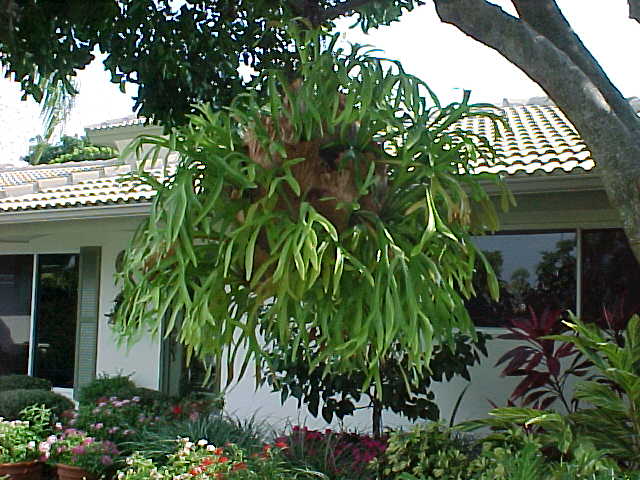
Staghorn Fern Plants Grown In Water Staghorn Fern Plants

Garden Tips Air Plant Care Instructions In An Infographic Easy To

Airplantvarietiesjpg 33493270 Pixels Air Plants Care Air

Air Plant Care How To Tend Fertilize And Water Tillandsia Air

Tillandsia Species Air Plants Types Of Air Plants Air Plant Garden

Garden Center Raleigh Plant Nursery Trees Shrubs Flowers

1000 Images About Tillandsia Air Plants On Pinterest Gardens

Pin On Air Plants

Air Plant Wall Art Air Plants Decor Hanging Air Plants Plant Wall Decor
Posting Komentar untuk "Red Air Plant: A Stunning Addition to Your Collection"